Introduction
Foreclosed homes can be an attractive option for homebuyers, especially those looking for a bargain. When a homeowner defaults on their mortgage, the lender takes possession of the property through the foreclosure process, often leading to lower prices for the property compared to traditional sales. Many buyers are drawn to the idea of purchasing a home at a discounted rate, but buying a foreclosed home comes with its own set of challenges. In this guide, we’ll explore the key advantages and disadvantages of buying foreclosed homes to help you make an informed decision.
If you’re considering how to buy a foreclosed home or exploring foreclosures near me, understanding both the financial opportunities and the potential risks is crucial.
What is a Foreclosed Home?
A foreclosed home is a property that has been taken back by the lender after the homeowner fails to keep up with mortgage payments. The foreclosure process typically starts when the homeowner misses several mortgage payments, and the lender begins the legal procedure to repossess the home. The home is then sold at a public auction or through a bank to recover the outstanding loan amount.
Why do homes go into foreclosure? There are various reasons, including job loss, illness, or simply an inability to manage mortgage payments. In many cases, the homeowner may try to sell the property, but if the home is not sold in time, it eventually enters the foreclosure stage. Once the process is complete, the lender takes control and attempts to sell the home to recoup their losses.
Pros of Buying a Foreclosed Home
Financial Savings
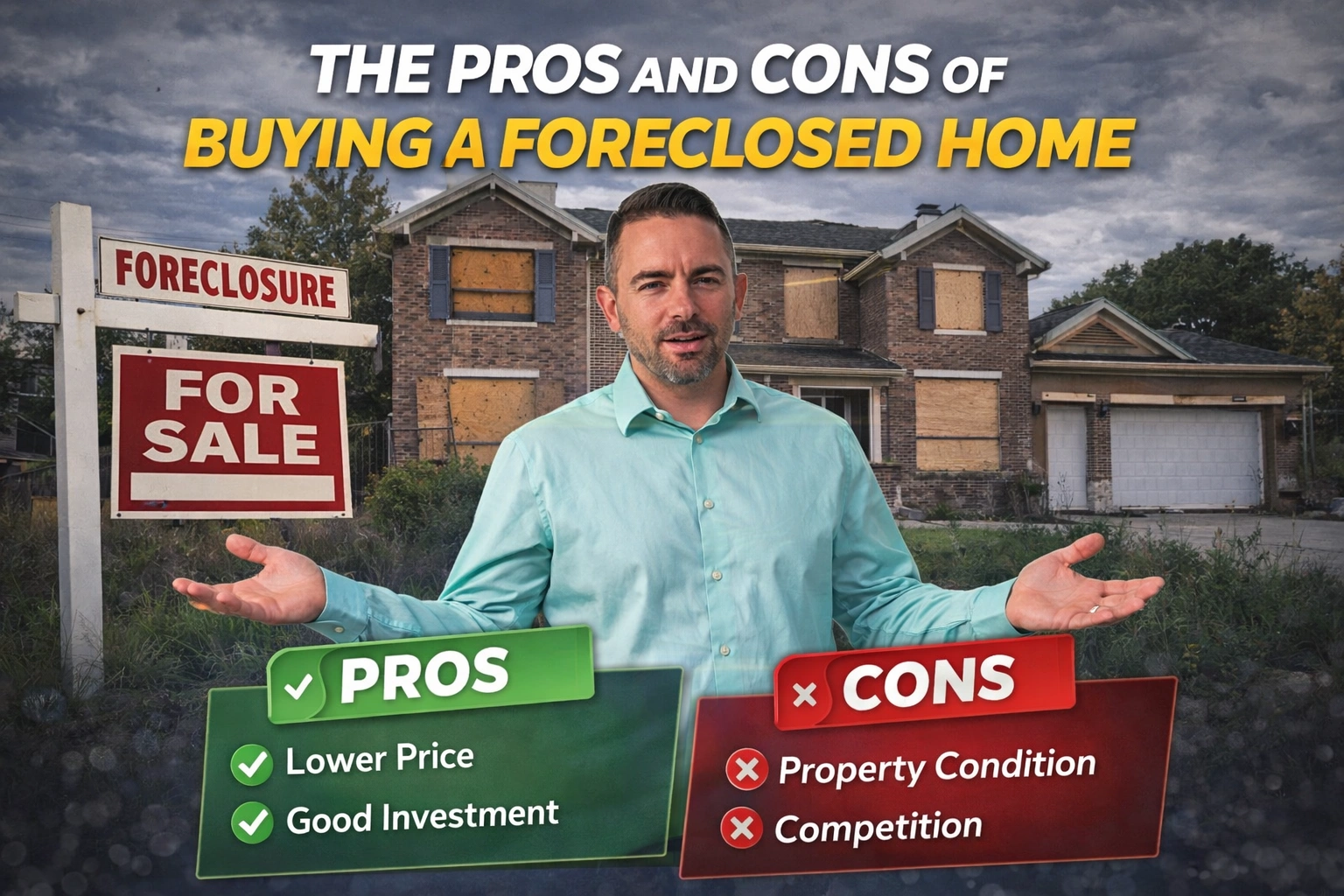
One of the biggest benefits of buying a foreclosed home is the potential for significant financial savings. Foreclosed homes for sale are often priced below market value, sometimes as much as 30% to 50% less than comparable homes in the area. This is because the lender is primarily interested in recovering the unpaid mortgage balance and often does not factor in market demand. For buyers who are looking to buy a foreclosed home, this can be an opportunity to purchase a property at a lower cost than a traditional sale.
Investment Potential
In addition to financial savings, buying a foreclosed home may offer strong investment potential. If you’re able to purchase a foreclosed home at a low price, you can potentially sell it for a higher price once the market conditions improve or after making necessary repairs. As foreclosed homes are often in need of renovation, there is an opportunity to increase the property’s value with improvements, turning it into a lucrative investment.
Less Competition
Unlike traditional homes, which often have multiple offers from interested buyers, foreclosed homes for sale may not have as much competition. In some cases, foreclosures near me may attract fewer buyers, especially if the property requires significant repairs. This means you may have a better chance of securing the home without dealing with bidding wars or inflated prices.
Cons of Buying a Foreclosed Home
As-Is Condition
One of the major risks of buying a foreclosed home is that these properties are typically sold in an as-is condition. This means that the bank or lender is not responsible for making repairs or addressing any issues with the home. Often, foreclosed homes have been neglected for months or even years, and the previous owners may have stopped maintaining the property altogether. As a result, the buyer could face costly repairs for problems like plumbing issues, electrical faults, or even structural damage.
Hidden Costs
Another potential danger of buying a foreclosed home is the presence of hidden costs. While the initial purchase price may seem appealing, there could be significant unexpected expenses. For example, the property may have liens, unpaid taxes, or unresolved legal issues that need to be addressed before you can take full ownership. These costs can add up quickly, making the property less of a bargain than it initially appears.
Complex Process
Buying a foreclosure often involves a more complicated process than purchasing a traditional home. The paperwork can be overwhelming, and foreclosure auctions typically involve a competitive bidding process that might be confusing for first-time buyers. Additionally, some foreclosures may require cash purchases, and obtaining financing for these homes can be challenging. This complexity can make it difficult to navigate for buyers unfamiliar with the foreclosure market.
The Process of Buying a Foreclosed Home
Step-by-Step Guide for Purchasing a Foreclosed Property
How to buy a foreclosed home involves a clear set of steps, but it’s crucial to understand the entire process before diving in. The first step is to identify foreclosed homes that meet your criteria. You can do this through online foreclosure listings, local auctions, or by contacting real estate agents who specialize in foreclosures. Once you’ve found a property you’re interested in, you’ll need to review the home’s condition thoroughly, preferably with a home inspection.
After deciding on a property, you’ll submit an offer, either directly to the bank or through an auction. In many cases, banks will only accept offers from pre-qualified buyers, which means securing financing before placing a bid. If your offer is accepted, you’ll then proceed with the usual closing process, which includes signing contracts, paying fees, and finalizing your mortgage.
Finding Foreclosed Homes
If you’re wondering where to find foreclosed homes for sale, many online platforms list these properties, including the MLS (Multiple Listing Service), Auction.com, and government websites like HUD.gov. You can also check with local banks and lenders, as they often have foreclosures that haven’t been listed online yet. Many websites even allow you to filter properties by location, price range, and property type, such as foreclosures near me or bank foreclosures near me.
Financing Options: Conventional Loans, FHA Loans, Cash Purchases
When buying a foreclosed home, it’s essential to understand your financing options. Traditional mortgage loans can sometimes be used for foreclosures, but some may require a larger down payment. FHA loans for foreclosed homes are an option for buyers with lower credit scores, but they also have specific requirements about the property’s condition. Alternatively, some buyers choose to purchase foreclosures with cash, which eliminates the need for financing and can make your offer more attractive to the seller.
Attending Foreclosure Auctions
Participating in foreclosure auctions is another way to buy a foreclosed home. These auctions are typically held by banks or local governments and involve bidding on properties that have been repossessed. While auctions can offer below-market prices, they can also be highly competitive. It’s essential to come prepared, as winning an auction often means committing to buy the property with limited recourse. Be sure to have financing lined up, as most auctions require full payment immediately or within a short period.
How to Finance a Foreclosed Home
Overview of Financing Options for Buying a Foreclosed Home
When it comes to financing a foreclosed home, there are several options available to suit different buyers’ needs. The best financing option for you will depend on your financial situation, the property condition, and how much work you’re willing to put into the home. Many buyers use traditional mortgage loans, but there are also specialized loan products for those purchasing foreclosed properties.
Traditional Mortgage Loans vs. Specialized Foreclosure Loans
Traditional mortgage loans can be used to finance foreclosed homes, just like any other property. However, the key difference is that many foreclosed homes may not meet the typical standards of a conventional loan, especially if they have been neglected or are in poor condition. In such cases, you might need a specialized foreclosure loan, like an FHA 203(k) loan, which is specifically designed for homes in need of repair. This type of loan combines the cost of purchasing the home with the cost of renovations, making it easier to buy a fixer-upper.
Another option is a renovation loan, such as a Fannie Mae HomeStyle loan or Freddie Mac CHOICERenovation loan. These loans work similarly to FHA 203(k) loans, allowing buyers to finance the cost of repairs and updates in one loan. It’s important to note that these types of loans may have stricter eligibility requirements, such as a larger down payment or higher credit scores.
Can You Finance a Foreclosure with an FHA Loan?
Yes, it’s possible to finance a foreclosed home with an FHA loan, but there are some conditions. The FHA loan program is designed to assist first-time homebuyers and those with lower credit scores. However, FHA loans typically require the property to meet specific livability standards. If the foreclosed property requires significant repairs or is in poor condition, it may not qualify for an FHA loan unless the buyer uses the FHA 203(k) loan option.
How to Buy Foreclosed Homes with a Loan
To buy a foreclosed home with a loan, you’ll need to secure pre-approval from a lender. Pre-approval shows the seller that you’re serious and have the financial backing to complete the purchase. Once pre-approved, you can begin bidding on foreclosures either through online listings, real estate agents, or at auction. When your bid is accepted, you’ll proceed with the loan application, including inspections, appraisals, and finalizing the mortgage terms.
Where to Find Foreclosed Homes for Sale
Popular Online Platforms and Local Auction Sites
Finding foreclosed homes for sale has never been easier, thanks to various online platforms and local auction sites. The digital age has made it possible to browse and bid on foreclosed properties from the comfort of your home. Some of the best online resources to find foreclosed homes near me include:
- RealtyTrac: This platform provides comprehensive foreclosure listings across the country. You can filter results by location, price, and property type to find foreclosed homes that match your needs.
- Foreclosure.com: Offering a large database of foreclosures and bank-owned homes, this site is one of the most trusted for investors and homebuyers alike.
- Auction.com: If you’re interested in bidding at a foreclosure auction, this site is a great resource for finding upcoming auctions and listings for foreclosures and bank-owned homes.
- Zillow: Zillow’s Foreclosure section is dedicated to helping users find foreclosed homes for sale. Zillow’s user-friendly interface and filters make it easy to find foreclosures in your area.
- Realtor.com: Like Zillow, Realtor.com also provides a section for foreclosed homes, giving you direct access to bank-owned properties and pre-foreclosures.
Local Auction Sites
While online platforms are convenient, local foreclosure auctions can also provide great opportunities to buy foreclosed homes. Many county governments and financial institutions hold regular foreclosure auctions, which are open to the public. Some auction houses specialize in foreclosures and bank-owned homes.
Local government websites often list upcoming foreclosure auctions along with specific details about how to participate. It’s important to register in advance and check any local rules and requirements, as some auctions may require a deposit or cash payment.
Working with Real Estate Agents
Another great way to find foreclosed homes near me is by working with a real estate agent who specializes in foreclosures. These professionals have access to properties that may not be listed publicly and can help you navigate the legal and financial complexities of buying foreclosures. Many agents work with banks or government agencies that sell foreclosed properties, giving you access to more opportunities.
How Foreclosure Auctions Work
Explanation of the Auction Process
Foreclosure auctions are public sales of foreclosed homes where bidders can purchase properties that have been repossessed by banks or lenders. These homes are typically sold to the highest bidder, and the proceeds are used to pay off the remaining mortgage balance. Understanding the foreclosure sale process is essential before jumping into bidding.
- Public Sale: Foreclosure auctions are typically held at county courthouses, though some can take place online.
- Bidding: The auctioneer starts the bidding at a minimum price, often based on the outstanding mortgage balance, and bidders can raise their offers.
- Winning the Auction: If you win, you’ll be required to make a deposit immediately, usually 10% of the sale price, and pay the remaining balance within a specific period. Typically, foreclosure auctions require full cash payment, though some areas may accept financing options.
- Property Condition: Keep in mind that properties sold at auction are often sold “as-is,” meaning there may be hidden issues, including unpaid taxes or repair needs. It’s essential to research the property thoroughly before bidding.
Tips on How to Participate in Foreclosure Auctions
Participating in a foreclosure auction can be exciting, but it’s also risky. Here are some tips to improve your chances of success:
- Do Your Research: Know the property’s value, condition, and any outstanding debts, including taxes or liens. Many foreclosure homes can have significant back dues that will need to be paid after the sale.
- Set a Budget: It’s easy to get caught up in the excitement of bidding, so set a firm budget before you start. Know your maximum bid and stick to it to avoid overpaying.
- Inspect the Property: If possible, inspect the property before the auction. If not, look for information such as photos, condition reports, or details from the auctioneer.
- Understand the Legalities: Different states have different rules for foreclosure sales. Some sales are held with “clear title,” while others might require additional steps to resolve issues like unpaid taxes or outstanding liens. Consult a lawyer or real estate agent specializing in foreclosures to understand the specifics in your area.
By following these steps and being well-prepared, you can increase your chances of successfully purchasing a foreclosed home at auction.
What to Look for When Buying a Foreclosed Home
Key Things to Inspect and Consider Before Making a Purchase
When buying a foreclosed home, you’re not just purchasing a property but also inheriting potential risks and costs that traditional home buyers may not face. Here’s what to look for before making your final decision:
- Property Condition
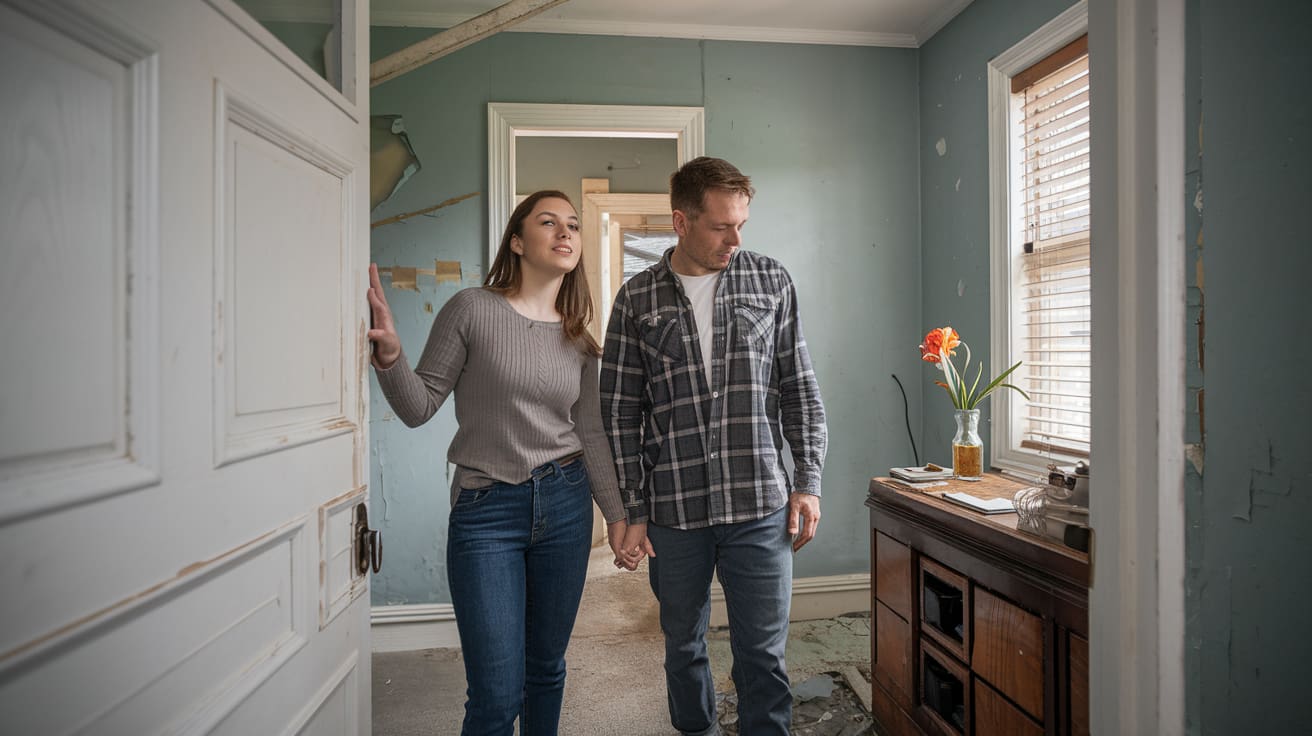
A foreclosed home is typically sold in as-is condition, meaning that you may encounter significant issues, such as water damage, plumbing problems, or electrical issues. Unlike traditional home sales, there’s no guarantee the property is in good condition. Carefully inspect the home to assess any visible damages, such as broken windows, mold, or roof leaks, that could require expensive repairs. - Legal Issues
Make sure the title is clear of any legal disputes or liens. Foreclosed properties might come with unresolved debts like unpaid property taxes or previous owner’s obligations. You’ll want to ensure the title can be transferred smoothly without any additional costs on your end. If necessary, work with a real estate lawyer to conduct a title search and verify that no outstanding legal issues will affect your purchase. - Unpaid Taxes
Sometimes, foreclosed homes have outstanding property taxes. Be sure to check with the local municipality about any unpaid taxes or utility bills that might need to be settled after the purchase. If you don’t address these issues upfront, you may find yourself responsible for them, even if they predate your ownership. - Location and Market Trends
Research the local real estate market to determine whether the property is priced appropriately for its area. Foreclosures near me may be priced low to attract quick sales, but they may not represent good investments if the neighborhood is in decline. Look for indicators such as neighborhood crime rates, school quality, and proximity to amenities to gauge the potential for property appreciation or depreciation. - Home Inspection
While foreclosed homes are often sold without an opportunity for an official inspection, it’s important to request one if possible. A professional inspector can uncover underlying issues that could cost you significant money down the road. For homes sold at foreclosure auctions, you may not have access to the property before bidding, so make sure you have as much information as possible from public records, photos, and online resources.
Property Condition, Legal Issues, and Title Clearance
When evaluating a foreclosed home, don’t just rely on the auction or listing description. Ensure you’re aware of the property condition, any legal issues, and the title clearance before proceeding with the purchase. These factors will determine whether the deal is worth the investment and if it aligns with your financial and personal goals.
Are Foreclosed Homes Worth the Risk?
Buying a foreclosed home may seem like a great deal due to lower prices, but is it really worth the risk? When you purchase a foreclosed property, you’re often buying a house in as-is condition, which may come with hidden issues that could cost you more in the long run. It’s important to carefully consider whether buying a foreclosed home is the right choice for you, especially if you’re financing the purchase. Many buyers wonder, “Should I buy a foreclosed home?” or “Is it smart to buy a foreclosed home?” While these homes can offer significant savings, they come with a set of challenges that need to be carefully weighed. Let’s explore whether foreclosed homes are worth the risk or if it’s better to look for other alternatives.
Frequently Asked Questions
Do foreclosures lower property value?
Yes, foreclosures can lower property values. These properties are often sold “as-is” without inspection, which means potential buyers may avoid them due to unknown issues. As a result, foreclosed homes tend to sell for below market value, which can negatively impact neighboring properties. According to NAR, this can lower surrounding home prices by up to 15% in some cases.
Who benefits from a foreclosure?
Mortgage lenders typically benefit from foreclosures. When a foreclosure occurs, the lender often purchases the property through a credit bid that covers the outstanding mortgage balance and foreclosure costs. The lender then owns the property and can sell it for profit. In some cases, investors may also purchase foreclosures at auctions for below-market prices.
Who suffers the most in a foreclosure?
Homeowners suffer the most in a foreclosure. They lose their home, face a significant financial setback, and may struggle with credit damage for years. A foreclosure can impact credit scores by 100+ points and make it harder to secure future loans. According to Fannie Mae, this can also result in long-term emotional and financial consequences.
Do banks usually negotiate on foreclosures?
Yes, banks may negotiate on foreclosures, especially when they have a large inventory of properties. If the property is in poor condition or has been on the market for a while, banks might be willing to lower the asking price. It’s advisable to start with a lower offer, but expect to meet in the middle. According to Investopedia, negotiation is often possible if the home has limited buyer interest.
How much cheaper can you buy a foreclosed home?
You can typically buy a foreclosed home for 15-30% less than its market value. These homes are priced lower due to their as-is condition and the urgency of selling. However, the savings can vary based on location, the property’s condition, and the foreclosure type. According to RealtyTrac, buyers can often get a better deal at foreclosure auctions than traditional sales.
What credit score is needed for a foreclosed home?
To qualify for a foreclosed home, your credit score should ideally be 580 or higher for an FHA loan. Borrowers with lower credit scores may be required to put 10% down instead of the standard 3.5%. According to the FHA guidelines, a higher credit score increases your chances of securing favorable terms for a foreclosure purchase.
Conclusion
In conclusion, buying a foreclosed home can offer substantial savings, making it an attractive option for those willing to take on the potential risks. While foreclosed homes may be priced lower than traditional homes, they often come with hidden issues like maintenance problems, legal complexities, and potential delays in the buying process. It’s crucial to thoroughly inspect the property, understand the foreclosure process, and have a solid plan for financing and repairs before making a decision. If you’re wondering, “Is it worth it to buy a foreclosed home?” It ultimately depends on your level of preparedness and risk tolerance. If you’re ready to navigate the complexities, a foreclosed home could be a worthwhile investment. However, it’s always advisable to consult with a real estate professional to ensure you’re making the right move.
If you’re considering buying a foreclosed home, reach out to our experts for guidance on how to successfully navigate this process and make an informed decision.